Ants
Ants

About The Pest

Comprehensive Solutions For Persistent Ant Infestations

Ants are among the most common household and commercial pests, capable of invading kitchens, storage areas, and outdoor spaces in large numbers. While many ant species are harmless, some can contaminate food, damage property, and create unsightly trails throughout your home or business. Their colonies grow quickly, making early detection and professional control essential.

Our ant control services begin with a thorough inspection to identify the species, colony locations, and entry points. Using targeted treatment strategies, we eliminate the source of infestation and provide preventive measures to stop ants from returning. Each plan is customized to your property, ensuring effective control and long-term protection for your home or business.
Visible Trails

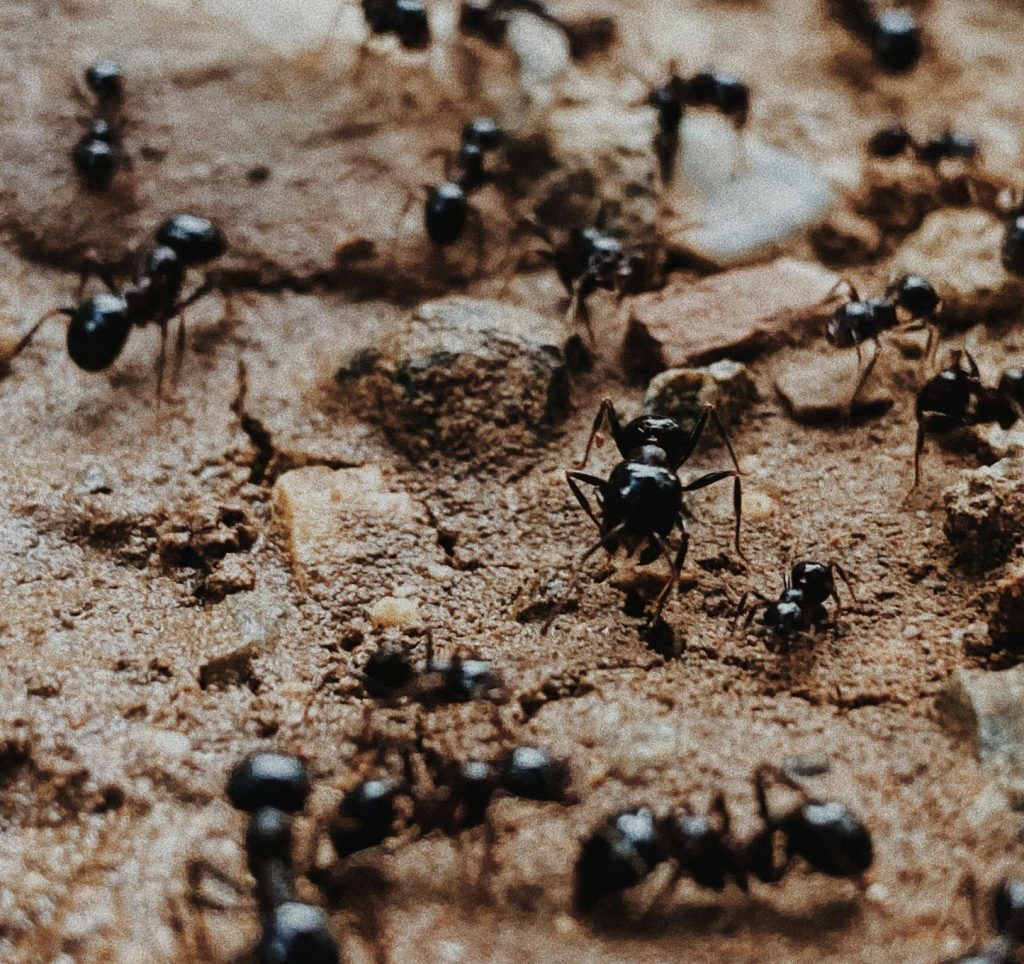
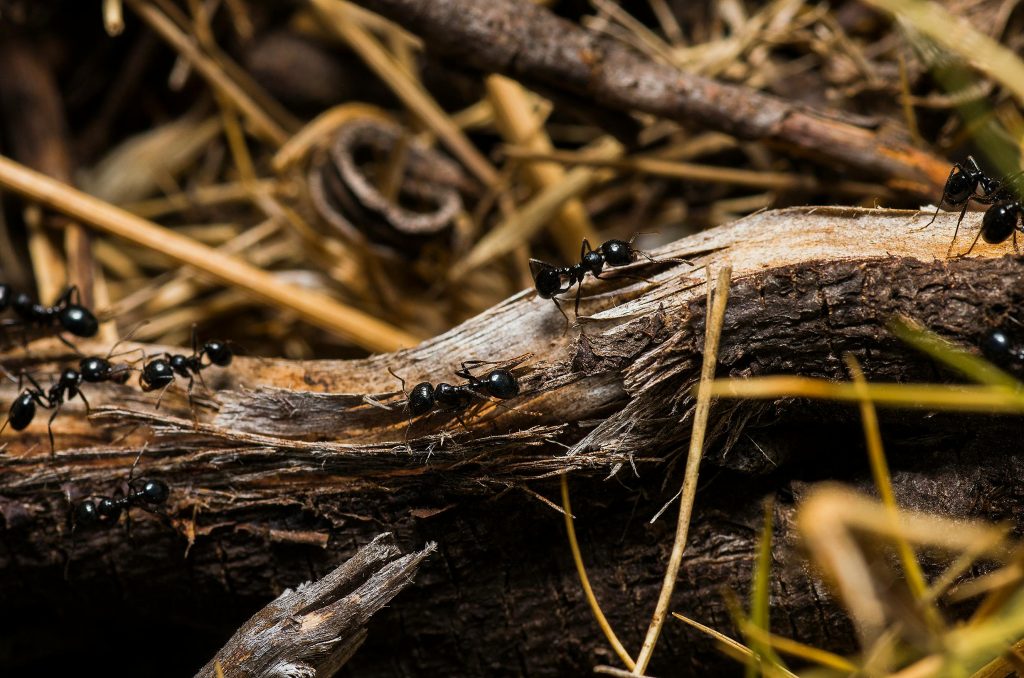
Ant lines leading to food or water sources.

Indoor Sightings

Small ants seen inside living spaces.

Winged Ants

Presence of swarmers signaling colony expansion.

Plant Damage

Chewed leaves or disturbed soil in gardens.

Signs Of An Infestation

Signs Of An Ant Infestation To Watch

Detecting an ant infestation early helps prevent widespread problems. Common indicators include visible ant trails leading to food or water sources, sightings of winged ants indoors, damaged plants or garden areas, and unusual activity near windows or doors. Prompt identification allows for timely treatment by professionals.

Ants Img2
Why pest Are Dangerous

Why Ants Are Dangerous

While ants are generally less harmful than rodents or stinging insects, certain species can still pose serious problems. Carpenter ants, for example, burrow into wooden structures causing structural damage over time. Other ants can contaminate food, transmit bacteria, and trigger allergic reactions in sensitive individuals. Professional control is necessary to prevent colonies from spreading and causing long-term issues.

process

Our Ant Control Process

We use a strategic approach to ant control, combining inspection, elimination, and prevention. Our technicians identify colony locations, apply targeted treatments, and implement measures to reduce entry points and attractants. Follow-up inspections ensure colonies are fully eradicated and long-term protection is maintained.